
Why Do Couples Fight More During Wedding Planning?
A grounded look at difference, stress, and repair before marriage
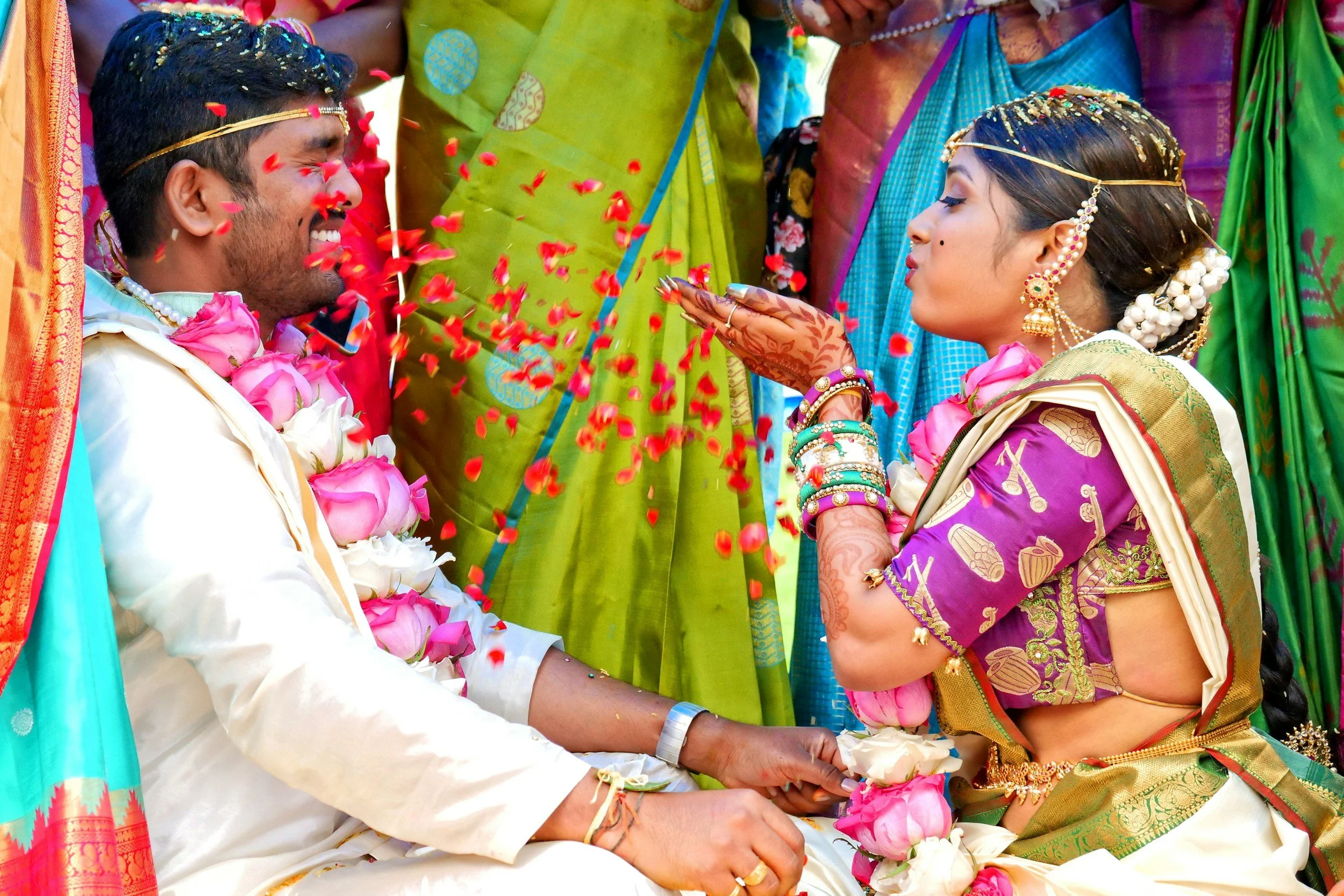
Wedding planning is often described as one of the happiest seasons in a relationship.
For many couples, it truly is. There’s excitement, anticipation, and a sense of moving toward something meaningful together.
For others, it’s the first time tension shows up in a noticeable way. Conversations feel harder. Small disagreements linger longer. Emotions run higher than expected.
And for some couples, it’s a mix of both. Joy and stress. Connection and friction. Love alongside moments of feeling misunderstood.
If any of this sounds familiar, it doesn’t mean something is wrong with your relationship.
It means you’re humans, navigating change.
Why wedding planning can bring up conflict, even in strong relationships
Planning a wedding asks couples to make decisions under pressure.
Money. Family expectations. Time constraints. Values. Visibility. Traditions. Roles.
Often, these are decisions you haven’t had to make together in this way before.
Stress narrows perspective. Nervous systems become more reactive. Conversations move faster. Assumptions sneak in.
What might normally feel like a simple preference can suddenly feel personal.
This isn’t a failure of love or commitment. It’s what happens when two nervous systems are navigating transition at the same time.
Conflict doesn’t mean the relationship is in trouble
One of the most common misunderstandings couples have is believing that conflict itself is the problem.
In reality, conflict is often a signal.
A signal that something important is being protected. Safety. Autonomy. Belonging. Being seen or understood.
Disagreement doesn’t automatically damage a relationship. What matters far more is how conversations unfold when emotions are activated.
Patterns tend to show up under pressure
When stress is high, people default to familiar strategies.
Some pursue clarity and reassurance.
Some withdraw to self-regulate.
Some explain more.
Some go quiet.
These patterns usually existed long before this relationship. Wedding planning doesn’t create them, but it can reveal them.
Awareness doesn’t erase patterns, but it creates choice.
Choice about how you respond instead of reacting automatically.
Repair matters more than perfection
Every relationship experiences moments of disconnection.
Trust isn’t built by avoiding rupture. It’s built through repair.
Repair looks like slowing the pace of a conversation.
Reflecting instead of defending.
Staying curious about difference rather than trying to eliminate it.
These are learnable skills. Not personality traits.
And they matter far more for long-term connection than getting every decision “right” during wedding planning.
If things feel good right now
You might read this as prevention, not a diagnosis.
Learning how to navigate difference and repair early can help couples stay connected when future stressors arise, long after the wedding day has passed.
If things feel hard right now
You might read this as reassurance.
Tension doesn’t mean you chose the wrong partner. It often means you’re encountering difference without shared tools yet.
That’s workable.
If you’re wanting support beyond these insights
Whether things feel mostly good right now or a bit strained, many couples benefit from having shared tools they can return to again and again.
Not just insight, but practical ways to move from excitement to shared values and from tension to connection when it matters most.
If you’re curious about experiences and resources designed to help couples stay connected through both ease and challenge, you can explore what we offer here:


Shared Ground is a 2-hour live private values workshop for households who want more ease, clarity, and shared direction.
Shared Ground is a practical intervention that helps families and couples define what actually matters to them, then use that clarity to make everyday decisions with less friction and more intention.
This is not therapy.
It’s not a venting session.
And it’s not a feel-good conversation that disappears once life gets busy.
It’s the creation of a shared operating system for how your household lives, chooses, and repairs.
If things are good and you want to build on that
Shared Ground is for households who want to:
live with more intention and less default
reduce decision fatigue around time, money, and energy
align daily life with the values they already care about
build traditions, routines, and legacy on purpose
make sure “good” stays sturdy as life evolves
This work supports:
clearer conversations at the dinner table
easier decisions about giving back, community, and service
alignment around learning, culture, spirituality, and health
shared language for what you say yes to and what you release
modeling values through lived experience, not just words
navigating multi-generational households, including elderly family or in-laws living with you
aligning expectations and boundaries in chosen family households, such as roommates or long-term shared living
It turns ideas like “this matters to us” into repeatable, accountable practices.
If things feel hard or stuck
Shared Ground also supports households navigating:
repeated conflict that never quite resolves
parenting or caregiving transitions like marriage, divorce, pregnancy
blended families or co-parenting dynamics
stress, growth, or change that’s creating tension
tension created by elder care, declining health, or shifting family roles
uncertainty around boundaries when extended family dynamics spill into daily life
When values remain unnamed, households often pay for it through:
friction fatigue
invisible emotional labor
decision overload
reactive conversations that go nowhere
This process gives you shared language and structure, so repair and decision-making don’t require starting from scratch every time.
Especially relevant for co-parenting across households
If you are parenting alongside another household with different values or limited cooperation, this work still matters.
Shared Ground helps create:
clarity and consistency within your primary household
shared language between parent and child
a grounded reference point that is less reactive and more stable
Your values can be upheld, modeled, and shared without needing permission or agreement from elsewhere.
What happens in the session
This is a live, facilitated workshop held over Zoom.
Together, we:
name individual values in plain, human language
identify overlap, differences, and priorities
define what your household supports and is no longer available for
translate values into behaviors you can actually practice
Participation is consent-based and co-created.
No one is pressured to disclose anything they don’t want to share.
You do not need to agree on everything to create shared direction.
Values here are not used to control or police.
They are used to guide choice, care, and repair.
What you leave with
By the end of the session, you will have:
3–6 shared household values, written in your own words
values grounded in actions, not abstractions
a repeatable reference point for decisions and repair
a framework you can return to as your family evolves
Families reuse this work during:
parenting decisions
seasonal or annual check-ins
moments of conflict or transition
conversations about boundaries, time, and support
This is designed for longevity, not a one-time insight.
A foundation others can support you from
Many households choose to share their values with:
therapists or coaches
caregivers, babysitters, or nannies
doulas or postpartum support
co-parents or trusted extended family
This reduces assumptions and increases alignment, both within your household and for the people supporting those in it.
Logistics
Format: Private session, one household at a time
Length: 2 hours
Participants: Up to 8 household members
Where: Online (Zoom)
Facilitators: India Tizol or Erica Courdae
Who this is not for
Shared Ground may not be a fit right now if:
you are expecting group/family therapy or crisis coaching during this workshop
you are not ready for shared agreements or follow-through
If you’re unsure, you can still begin.
Clarity comes from the process.
Final note
This work is not about creating a perfect household.
Shared Ground is built for real life.
It gives you a shared foundation for:
how you repair when things don’t go as planned
how you practice grace without losing accountability
how values guide behavior under pressure, not just when it’s easy
These values shape a household culture rooted in shared intention, honest repair, and choices you’re no longer making on autopilot.